
Multimedia Technology BSc
Bachelor's Degree Program
Find out what students in the Bachelor's program in Multimedia Technology are working on: On our Multimedia Technology portal, you'll find more insights into course content, labs, and projects.
Think creatively. Implement technically. Design with AI.
What will be left for humans when artificial intelligence can generate images, videos, music, and even program code? Quite a lot. Because good digital applications require more than just technology: ideas, creativity, technical understanding, media literacy, and a clear goal.
In the Bachelor’s program in Information Technologies with a focus on Multimedia Technology, you’ll combine creativity and technology. You’ll learn to conceive, design, and technically implement digital media and interactive applications—from 2D and 3D graphics to audio and video, and on to games, XR, and virtual production.
People are at the center of this process: You’ll learn to understand target audiences, identify requirements, develop solutions, and refine them based on feedback. At the same time, you’ll acquire the fundamentals needed to use AI and other digital tools effectively and to critically evaluate their results.
The program combines computer science, design, and media technology to provide a broad technical foundation—supplemented by hands-on projects, a professional internship, and the bachelor’s thesis. In this way, you’ll evolve from a consumer to a creator: you’ll understand digital media, design your own applications, and learn to use technology in ways that benefit people.
Is Multimedia Technology right for you?
This degree program is a good fit for you if you want to combine creativity with technology and are interested in computer science, digital media, and innovative developments.
Career Start for HTL Graduates
With a relevant HTL degree, you can enter the program in the 2nd or 3rd semester, depending on which credits are accepted. This allows you to shorten your degree program by up to one year.
Full-time or part-time?
You can pursue the German-language bachelor’s degree program in Multimedia Technology either full-time or part-time while working.
Ready to blend creativity and technology?
Let’s create the next big thing together…
Special features of the program
Combining Computer Science, Design, and Media Technology
In the Bachelor’s program in IT and Multimedia Technology, you’ll combine technical expertise with creative design. You’ll explore programming, computer graphics, 2D and 3D design, audio and video, and interactive media. This will help you develop a broad skill set and learn how to effectively integrate different technologies to meet specific requirements.
Understanding Media and Shaping It with AI
You’ll not only learn how to produce digital media, but also how to understand its impact and the mechanisms behind it. Target audiences, requirements, and user feedback play a central role in this process. AI tools are also part of the program: You’ll learn how to use them effectively and critically evaluate their results. This shift in perspective—from consumer to producer—will strengthen your media literacy, including your ability to engage with digital media in a mindful way.
Work in a practical setting and set your own priorities
Through hands-on courses and projects, you’ll gain experience in photography, visual design, image processing, computer graphics, and media production. Starting in the fourth semester, you can explore your interests in greater depth through required-elective modules, such as artificial intelligence, mobile app development, or the Internet of Things. The program is complemented by courses in innovation management and content creation.
Virtual Production and Real-Time 3D
There is a special focus on virtual production, which combines real-time 3D graphics and game engines—such as the Unreal Engine—with traditional film and video technology. This technology opens up new applications for film, advertising, live events, and interactive installations. In this program, you’ll learn to design digital visual worlds and integrate them with real-world production environments.
Details about the program




Info Box
Level of qualification
Bachelor
ECTS credits
180
Tuition fees*
€ 363.36 / Semester
ÖH (Austrian Student Union) fee
€ 26.20 / Semester
Qualification awarded
Bachelor of Science in Engineering
Duration of study
6 Semester
Language of instruction
German
CU Campus
- Klagenfurt
- Villach
Level of qualification
Bachelor
ECTS credits
180
Tuition fees*
€ 363.36 / Semester
ÖH (Austrian Student Union) fee
€ 26.20 / Semester
Qualification awarded
Bachelor of Science in Engineering
Duration of study
6 Semester
Language of instruction
German
CU Campus
- Klagenfurt
- Villach
Dates Info Box
* Tuition for non-EU/EEA citizens: €500 + €26.20 ÖH fee (per semester)
FAQ
Frequently asked questions about the Bachelor’s Degree Program in
“Multimedia Technology”
What is Multimedia Technology?
Multimedia Technology combines computer science, engineering, and creative media design. You'll work with programming, computer graphics, animation, game development, audio, video, and augmented and virtual reality.
What labs are available?
A Multimedia Technology lab, a media lab, and an AR/VR lab are available for hands-on training. There, you can work on your own projects using modern audio, video, graphics, and extended reality technologies.
What role does programming play?
Programming is a central part of the program. You'll learn the fundamentals of software development and apply them to projects such as interactive applications, games, web solutions, and augmented and virtual reality projects.
Book an online information session
During the online information sessions, the program directors or academic directors provide detailed information about the program. Topics include course content, internships, and potential career prospects.
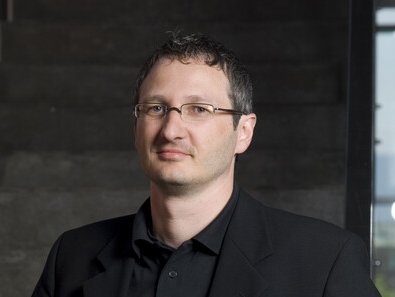
Jürgen Thierry, B.S. in Engineering
Program
Director, j.thierry(at)cuas.at
Research and Teaching Facilities
The laboratories at CU Carinthia University provide a modern infrastructure that supports hands-on learning and innovative research. Equipped with state-of-the-art technologies and specialized equipment, they enable students and researchers to work on projects across a wide range of fields, including engineering, computer science, business, and health.
The laboratories are designed to meet current industry standards and requirements, providing an ideal environment for developing new ideas, technologies, and solutions.
INFORMATION & APPLICATION
Virtual Campus Tour
Contact
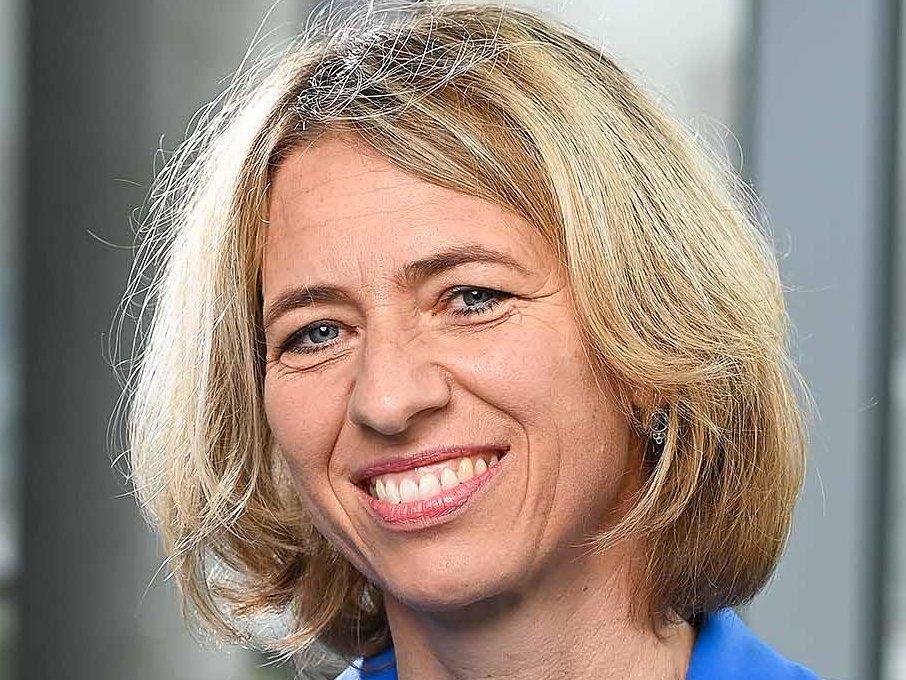
Erika Gamnig
Information
Technology +43 5 90500 3102
e.gamnig(at)cuas.at
On foot
From Klagenfurt Central Station, you can reach the campus in about 20 minutes on foot (1.7 km). The route takes you east along Bahnstraße and then along Gerberweg to the campus.
By public transportation
From Klagenfurt Central Station, take Line A to the “FH Kärnten” stop operated by Stadtwerke Klagenfurt. From the station building, turn left toward the bus station.
By car
Coming from the west—for example, via the A10 Tauern Autobahn or A11 Karawanken Autobahn—take the A2 Südautobahn to the Klagenfurt/Wörthersee exit. Then follow the Südring for about 7 km and turn toward the city center at the Südring/Gerberweg intersection. After about 150 m, turn right toward the campus.
If you’re coming from the east, take the Klagenfurt-Ost exit on the A2 Südautobahn. Then drive toward Klagenfurt-Zentrum, continue along Völkermarkter Straße, and then turn left onto the Südring. At the Südring/Gerberweg intersection, turn toward the city center and, after about 150 m, turn right toward the campus.
Coming from the south, you can reach the campus via the B91 Rosentaler Straße. At the Rosentaler Straße/Südring intersection, turn onto the Südring and follow it for about 2.5 km to the Südring/Gerberweg intersection. There, turn toward the city center and, after about 150 m, turn right toward the campus.
Coming from the north, drive toward the city center on the B83 St. Veiter Straße until you reach the St. Veiter Straße/St. Veiter Ring intersection. Then follow St. Veiter Ring, then Völkermarkter Ring, and continue on Lastenstraße until you reach Gerberweg. After about 750 m, turn left toward the campus.
By Plane
There are several airports in the area to choose from:
- Klagenfurt: approx. 15-minute drive
- Ljubljana (Slovenia): approx. 1 hour 10 minutes by car
- Graz: about 1 hour and 30 minutes by car
- Salzburg: approx. 2 hours and 30 minutes by car
- Trieste and Venice (Italy): approx. 2 to 3 hours’ drive
- Vienna: approx. 3 hours 30 minutes drive
- Munich: approx. 4 hours 15 minutes travel time
The rest of the journey to the Klagenfurt Primoschgasse campus can then be completed by train, bus, taxi, or car.